

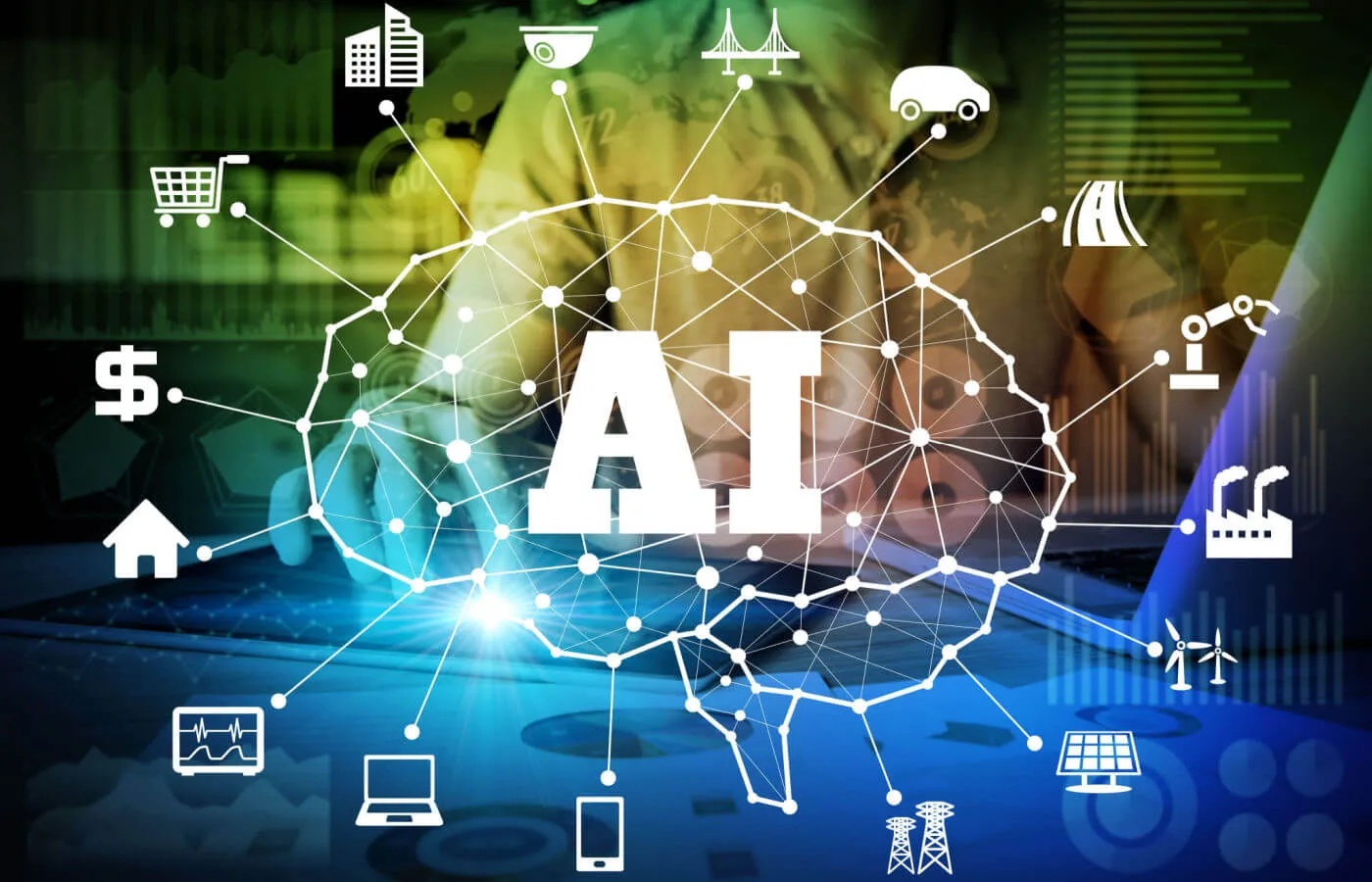
Artificial intelligence (AI) is the development of computer systems capable of performing tasks that typically require human intelligence, such as learning, reasoning, problem-solving, and decision-making. Rather than following strict, pre-written code, modern AI utilizes machine learning and massive datasets to recognize patterns and autonomously generate insights or content.Artificial intelligence has become one of the most influential technological advancements of the modern era. From smartphones and smart homes to self-driving cars and advanced medical systems, artificial intelligence is rapidly changing the world around us. What once seemed like science fiction has now become a practical reality integrated into businesses, education, healthcare, finance, entertainment, and almost every aspect of human life. The growing importance of intelligent machines is reshaping industries, increasing efficiency, and opening doors to innovations that were unimaginable just a few decades ago
The rise of artificial intelligence is not only transforming how people work but also how they communicate, learn, shop, and solve problems. Companies around the world are investing heavily in AI-powered systems to improve productivity, reduce operational costs, and gain competitive advantages. As technology continues to evolve, understanding the impact of artificial intelligence becomes essential for individuals, organizations, and governments preparing for the future
What Is Artificial Intelligence
Artificial intelligence refers to the ability of machines and computer systems to perform tasks that normally require human intelligence. These tasks include learning, reasoning, problem-solving, understanding language, recognizing images, and making decisions. AI systems are designed to analyze data, identify patterns, and improve their performance over time without constant human intervention
The concept of artificial intelligence dates back many years, but recent advancements in computing power, cloud technology, and data availability have accelerated its development. Today, AI technologies such as machine learning, natural language processing, and computer vision are being used in countless applications across multiple industries
Machine learning is one of the most important branches of artificial intelligence because it enables systems to learn from data and improve automatically. Deep learning, a subset of machine learning, uses neural networks inspired by the human brain to process massive amounts of information. These technologies allow AI systems to perform complex tasks with remarkable accuracy
The Evolution of Artificial Intelligence
The journey of artificial intelligence began with simple computer programs designed to perform basic calculations and logical operations. Over time, researchers developed more advanced algorithms capable of solving complex problems. Early AI systems had limited capabilities due to insufficient computing resources and lack of data, but modern technology has changed everything
During the 1990s and early 2000s, the internet revolution provided access to enormous amounts of data, which became essential for training AI models. As cloud computing and powerful processors emerged, artificial intelligence systems gained the ability to analyze vast datasets in real time
Today, AI technologies are embedded in everyday tools such as virtual assistants, recommendation systems, facial recognition software, and automated customer support platforms. The rapid advancement of AI continues to push the boundaries of innovation and redefine what machines can achieve
Artificial Intelligence in Healthcare
One of the most impactful applications of artificial intelligence can be seen in the healthcare industry. AI-powered technologies are helping doctors diagnose diseases faster, develop personalized treatment plans, and improve patient care. Machine learning algorithms can analyze medical images, detect abnormalities, and identify health conditions with exceptional precision
AI is also playing a significant role in drug discovery and medical research. Traditional drug development can take years and require massive investments, but artificial intelligence can accelerate the process by analyzing biological data and predicting the effectiveness of potential treatments. This has become especially important during global health crises when rapid medical innovation is essential
Another important benefit of artificial intelligence in healthcare is predictive analytics. Hospitals and healthcare providers use AI systems to predict patient outcomes, monitor health risks, and improve operational efficiency. Wearable devices powered by AI can track heart rate, sleep patterns, and physical activity, allowing individuals to manage their health more effectively
The future of AI in healthcare looks promising as researchers continue to develop advanced robotic surgeries, intelligent diagnostic tools, and automated healthcare systems capable of improving global medical services
How Artificial Intelligence Is Changing Businesses
Businesses across the globe are embracing artificial intelligence to streamline operations and improve customer experiences. AI-driven automation is reducing repetitive manual tasks and allowing employees to focus on more strategic responsibilities. Companies use AI to analyze market trends, forecast sales, and optimize supply chain management
Customer service has been transformed by AI-powered chatbots and virtual assistants capable of handling inquiries twenty-four hours a day. These intelligent systems can answer questions, process requests, and provide personalized recommendations instantly. This not only improves customer satisfaction but also reduces operational costs for businesses
Marketing strategies have also evolved due to artificial intelligence. AI tools analyze consumer behavior, identify purchasing patterns, and create targeted advertising campaigns. Personalized recommendations on streaming platforms and online shopping websites are powered by AI algorithms that understand user preferences and predict future interests
Financial institutions are using artificial intelligence for fraud detection, risk management, and automated trading. AI systems can identify suspicious activities within seconds and help banks prevent financial crimes more effectively. As businesses continue adopting AI technologies, competition and innovation are expected to grow rapidly
Artificial Intelligence in Education
The education sector is experiencing a major transformation because of artificial intelligence. AI-powered learning platforms provide personalized educational experiences tailored to individual student needs. Intelligent tutoring systems can identify strengths and weaknesses, helping students learn more efficiently
Online learning platforms use AI algorithms to recommend courses, track progress, and improve engagement. Teachers can also benefit from AI tools that automate grading, analyze student performance, and create customized lesson plans. This reduces administrative burdens and allows educators to focus more on teaching
Language learning applications powered by artificial intelligence can analyze pronunciation, provide instant feedback, and adapt lessons based on user progress. Virtual classrooms and AI-driven educational software are making learning more accessible for students worldwide
As technology advances, artificial intelligence is expected to bridge educational gaps, support remote learning, and create more inclusive learning environments for people of all backgrounds
The Role of Artificial Intelligence in Daily Life
Many people interact with artificial intelligence every day without even realizing it. Smartphone assistants, navigation apps, social media algorithms, and streaming recommendations all rely on AI technologies. These systems analyze user behavior and provide personalized experiences designed to improve convenience and efficiency
Smart homes equipped with AI-powered devices can automate lighting, temperature control, security systems, and household appliances. Voice recognition technologies allow users to control devices using simple commands, making everyday tasks easier and more efficient
Transportation is another area heavily influenced by artificial intelligence. Navigation systems use real-time data to recommend the fastest routes, while autonomous vehicles are being developed to reduce accidents and improve road safety. AI-powered traffic management systems can optimize transportation networks and reduce congestion in major cities
E-commerce platforms also depend on artificial intelligence to recommend products, manage inventory, and enhance customer experiences. Personalized shopping experiences have become a major factor in the success of online businesses
Artificial Intelligence and Job Automation
One of the most debated aspects of artificial intelligence is its impact on employment. AI-powered automation is capable of performing repetitive and predictable tasks more efficiently than humans in certain industries. Manufacturing, logistics, customer support, and data processing are among the sectors experiencing significant automation
While some jobs may disappear due to automation, artificial intelligence is also creating new career opportunities. The demand for AI engineers, data scientists, cybersecurity experts, and machine learning specialists continues to grow rapidly. Businesses need skilled professionals who can develop, manage, and improve intelligent systems
The future workforce will likely require a combination of technical expertise, creativity, critical thinking, and adaptability. Education and training programs must evolve to prepare workers for the changing job market shaped by artificial intelligence
Rather than completely replacing humans, AI is expected to work alongside people in many industries, improving productivity and enabling more efficient collaboration between humans and machines
Ethical Concerns of Artificial Intelligence
Despite its advantages, artificial intelligence also raises important ethical concerns. Privacy issues, algorithmic bias, and data security are major challenges associated with AI technologies. Since AI systems rely heavily on data collection and analysis, protecting personal information has become increasingly important
Bias in AI algorithms can lead to unfair decisions in areas such as hiring, law enforcement, and lending. If training data contains existing biases, AI systems may unintentionally reinforce discrimination and inequality. Developers and organizations must ensure transparency and fairness in AI applications
Another concern involves the misuse of artificial intelligence for malicious purposes such as cyberattacks, misinformation campaigns, and surveillance. Governments and technology companies are working to establish ethical guidelines and regulations to ensure responsible AI development
The question of accountability also becomes complex when autonomous systems make decisions independently. Determining responsibility in situations involving AI errors or accidents requires careful legal and ethical consideration
Artificial Intelligence and Creativity
Many people once believed creativity was a uniquely human trait, but artificial intelligence is now entering creative industries as well. AI systems can generate artwork, compose music, write content, and even assist in film production. These tools are helping creators experiment with new ideas and improve efficiency
In the entertainment industry, AI algorithms analyze audience preferences to recommend movies, music, and television shows. Video game developers use artificial intelligence to create more realistic characters and immersive gaming experiences
Writers and marketers are also using AI-powered tools to generate content ideas, optimize writing, and improve communication strategies. While AI-generated creativity continues to evolve, human imagination and emotional understanding remain essential components of meaningful artistic expression
The collaboration between humans and artificial intelligence is opening new possibilities for innovation in art, design, and digital media
The Future of Artificial Intelligence
The future of artificial intelligence is filled with both exciting opportunities and significant challenges. Experts predict that AI will continue advancing rapidly in areas such as robotics, quantum computing, biotechnology, and smart infrastructure. Intelligent systems may soon become even more integrated into everyday life
Autonomous vehicles, advanced healthcare diagnostics, smart cities, and AI-powered scientific discoveries are expected to transform society over the coming decades. Businesses that embrace AI innovation will likely gain substantial competitive advantages in the global economy
However, the future of artificial intelligence also depends on responsible development and regulation. Governments, researchers, and technology companies must work together to ensure AI technologies benefit humanity while minimizing risks and ethical concerns
As AI becomes more powerful, society will need to address questions regarding privacy, employment, security, and human rights. Public awareness and education about artificial intelligence will play a critical role in shaping a balanced and sustainable future
Why Artificial Intelligence Matters
The importance of artificial intelligence lies in its ability to solve complex problems, improve efficiency, and drive innovation across industries. AI technologies have the potential to enhance healthcare, education, transportation, communication, and environmental sustainability on a global scale
Organizations using AI can process enormous amounts of data quickly, make smarter decisions, and develop more personalized services. Individuals benefit from greater convenience, improved accessibility, and advanced digital experiences powered by intelligent systems
Artificial intelligence is no longer a futuristic concept limited to research laboratories. It has become a transformative force influencing how societies function and evolve. Understanding AI and adapting to technological change will be essential for future success in both personal and professional environments
Conclusion
Artificial intelligence is reshaping the modern world in extraordinary ways. From healthcare and education to business and entertainment, AI technologies are driving innovation and improving efficiency across countless industries. The rapid evolution of intelligent systems continues to create new opportunities while also presenting ethical and societal challenges that require careful attention
As artificial intelligence becomes more integrated into daily life, individuals and organizations must learn how to use these technologies responsibly and effectively. The future of AI holds enormous potential for solving global problems, enhancing human capabilities, and transforming the way people live and work
The continued advancement of artificial intelligence will undoubtedly define the next era of technological progress. By embracing innovation while maintaining ethical responsibility, humanity can unlock the full potential of AI and create a smarter, more connected future
Short Paragraph
Artificial intelligence is revolutionizing the world by improving healthcare, transforming businesses, enhancing education, and automating daily tasks. As AI technology continues to evolve, it is creating smarter systems that increase efficiency, improve decision-making, and shape the future of humanity in remarkable ways
FAQs
1. What is artificial intelligence in simple words
Artificial intelligence is a technology that enables machines and computers to perform tasks that normally require human intelligence, such as learning, problem-solving, and decision-making
2. How is artificial intelligence used in daily life
Artificial intelligence is used in virtual assistants, navigation apps, social media recommendations, online shopping platforms, and smart home devices
3. Can artificial intelligence replace human jobs
AI can automate repetitive tasks and replace certain jobs, but it also creates new career opportunities in technology, data science, and AI development
4. Why is artificial intelligence important
Artificial intelligence improves efficiency, reduces human error, enhances productivity, and helps solve complex problems across industries like healthcare, education, and finance
5. What are the risks of artificial intelligence
Some risks include privacy concerns, algorithmic bias, job displacement, cybersecurity threats, and the misuse of AI technologies for harmful purposes
You May Also Read
for more updates caome back to our website wirebusiness.co.uk
