


Introduction
The world of commercial real estate has become one of the most profitable and dynamic industries in modern business. From office buildings and retail centers to warehouses and mixed-use developments, commercial properties continue to shape economies and create wealth for investors worldwide. As businesses grow and urban areas expand, the demand for commercial spaces keeps increasing, making this sector highly attractive for entrepreneurs, investors, and property developers
Unlike residential properties, commercial real estate focuses on properties used for business purposes. These properties are often leased to companies, organizations, retailers, or industrial operators. The potential for higher rental income, long-term leases, and strong appreciation makes commercial real estate one of the most rewarding investment sectors available today
In recent years, technology, remote work trends, e-commerce growth, and changing consumer behavior have transformed the commercial property market. Investors now have access to more opportunities than ever before, but competition and market complexity have also increased. Understanding how commercial real estate works is essential for anyone who wants to build long-term wealth, generate passive income, or expand a business portfolio
This article explores every major aspect of commercial real estate, including property types, benefits, investment strategies, challenges, market trends, and practical tips for success in 2026 and beyond
What Is Commercial Real Estate
Commercial real estate refers to properties that are used for business activities or income generation. These properties are not designed primarily for personal living purposes. Instead, they are intended to support businesses, retail operations, manufacturing, logistics, hospitality, or office functions
Commercial real estate includes a wide variety of property categories. Office buildings are among the most common forms, providing workspaces for corporations and startups. Retail spaces such as shopping centers, malls, and standalone stores also fall into this category. Industrial properties include warehouses, factories, and distribution centers that support manufacturing and logistics operations
Another growing category is mixed-use development, where residential, retail, and office spaces are combined into one project. Hotels, medical centers, entertainment venues, and co-working spaces are also important parts of the commercial property market
The main goal of commercial real estate ownership is usually profit generation through rent, appreciation, or business operations. Investors purchase these properties to earn consistent income and build financial stability over time
Types of Commercial Real Estate Properties
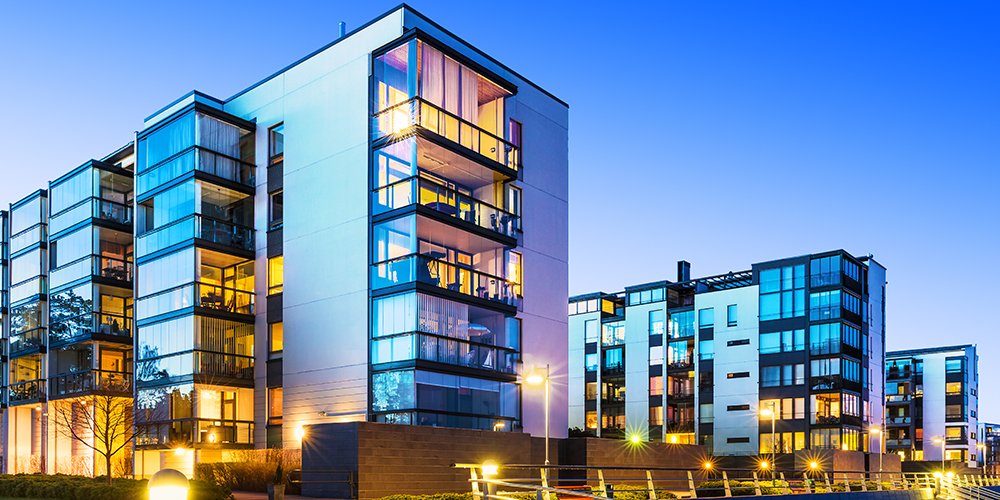
Office Buildings
Office properties remain one of the largest sectors in commercial real estate. These buildings are designed to accommodate businesses, corporate headquarters, professional firms, and startups. Office spaces are usually classified into Class A, Class B, and Class C categories based on location, quality, amenities, and age
Class A offices are premium buildings located in prime business districts with modern infrastructure and luxury facilities. Class B properties offer functional office space at moderate prices, while Class C buildings are older properties that may require renovations or upgrades
The rise of hybrid work and remote employment has changed office demand patterns, but many businesses still require physical office locations for collaboration, client meetings, and operations
Retail Properties
Retail commercial real estate includes shopping malls, retail plazas, supermarkets, restaurants, and standalone stores. These properties depend heavily on customer traffic and consumer spending patterns
E-commerce growth has transformed the retail industry, leading many investors to focus on experiential retail spaces such as entertainment centers, dining hubs, and lifestyle shopping areas. Businesses now prioritize locations that provide convenience and unique customer experiences
Retail properties can generate significant rental income when located in high-traffic commercial zones. However, investors must carefully analyze market demand and tenant quality before purchasing retail assets
Industrial Properties
Industrial real estate has become one of the fastest-growing sectors due to the expansion of online shopping and global supply chains. Warehouses, distribution centers, manufacturing plants, and logistics hubs are all considered industrial properties
Large e-commerce companies require massive storage and delivery facilities to support rapid shipping services. As a result, industrial properties located near ports, highways, and urban centers are in high demand
Industrial commercial real estate often offers long-term leases and lower maintenance costs compared to other property types, making it attractive for investors seeking stable cash flow
Multifamily Properties
Although residential apartments are designed for living purposes, large apartment complexes with multiple units are often considered commercial real estate because they generate business income
Multifamily investments are popular because housing demand remains strong in most cities. Investors can benefit from monthly rental income and property appreciation over time
Hospitality Properties
Hotels, resorts, conference centers, and serviced apartments fall under hospitality commercial real estate. These properties are heavily influenced by tourism, travel trends, and economic conditions
Hospitality investments can generate high returns during strong economic periods, but they may also experience volatility during recessions or global disruptions
Why Commercial Real Estate Is a Smart Investment
Higher Income Potential
One major advantage of commercial real estate is the potential for higher rental income compared to residential properties. Commercial leases are usually larger in value and longer in duration, providing investors with predictable cash flow
Business tenants are often willing to pay premium rents for strategic locations that support their operations and customer access
Long-Term Leases
Commercial leases commonly range from three to ten years or even longer. Long-term leases provide stability and reduce the risk of frequent tenant turnover
This consistent income stream makes commercial real estate highly attractive for investors who want dependable returns
Property Appreciation
Commercial properties located in growing business districts can significantly increase in value over time. Economic development, infrastructure improvements, and population growth often drive property appreciation
Investors who purchase commercial assets in emerging markets may achieve substantial capital gains in the future
Diversification Opportunities
Adding commercial real estate to an investment portfolio can reduce financial risk through diversification. Commercial properties behave differently from stocks and other investment assets, helping investors balance market fluctuations
Tax Benefits
Commercial property investors may receive tax advantages such as depreciation deductions, mortgage interest deductions, and expense write-offs. These benefits can improve overall profitability and reduce taxable income
Challenges in Commercial Real Estate
High Initial Investment
Commercial properties generally require significant capital for purchase, maintenance, and renovations. Financing requirements can also be stricter compared to residential real estate
New investors may face challenges securing loans or raising investment capital
Market Fluctuations
Economic conditions strongly influence commercial property performance. Recessions, rising interest rates, or changes in consumer behavior can impact occupancy rates and rental income
Investors must carefully study market trends before making investment decisions
Complex Management
Managing commercial real estate often involves legal agreements, maintenance responsibilities, tenant negotiations, and financial planning. Large properties may require professional management teams to handle daily operations efficiently
Vacancy Risks
Empty commercial spaces can lead to major income losses. Finding reliable tenants sometimes takes time, especially during economic downturns or market oversupply situations
How to Start Investing in Commercial Real Estate
Understand the Market
Research is essential before entering the commercial real estate industry. Investors should study local market conditions, population growth, business activity, rental demand, and economic development trends
Understanding supply and demand dynamics helps investors identify profitable opportunities
Choose the Right Property Type
Different commercial property categories offer different levels of risk and return. Office buildings, retail centers, industrial warehouses, and multifamily properties each have unique advantages and challenges
Investors should select property types that align with their financial goals and risk tolerance
Secure Financing
Commercial real estate financing usually involves larger down payments and stricter lending requirements. Investors should compare financing options from banks, private lenders, and investment groups
Strong credit history and detailed business plans can improve financing approval chances
Analyze Property Performance
Before purchasing a commercial property, investors should evaluate rental income, operating expenses, occupancy rates, and future growth potential
Important financial metrics include net operating income, capitalization rate, and cash-on-cash return
Build a Professional Team
Successful commercial real estate investing often requires collaboration with brokers, attorneys, accountants, property managers, and contractors
Experienced professionals can help investors avoid costly mistakes and improve investment performance
Commercial Real Estate Trends in 2026
Growth of Industrial Real Estate
Industrial properties continue to dominate due to rising e-commerce demand and supply chain expansion. Warehouses and logistics centers remain highly valuable assets for investors
Flexible Office Spaces
Businesses increasingly prefer flexible office solutions that support hybrid work models. Co-working spaces and adaptable office layouts are becoming more common in urban areas
Sustainable Buildings
Environmental sustainability has become a major priority in commercial real estate development. Energy-efficient buildings with eco-friendly designs attract tenants and reduce operating costs
Green certifications and sustainable construction practices are now competitive advantages in the property market
Technology Integration
Smart building technology is transforming commercial real estate operations. Automated security systems, energy management tools, and digital property management platforms improve efficiency and tenant satisfaction
Mixed-Use Developments
Cities are encouraging mixed-use projects that combine residential, office, retail, and entertainment spaces. These developments create vibrant communities and maximize land use efficiency
Key Skills Needed for Success in Commercial Real Estate
Negotiation Skills
Strong negotiation abilities help investors secure better deals, lease agreements, and financing terms. Successful negotiations can significantly improve profitability
Financial Knowledge
Understanding financial analysis, investment metrics, and market forecasting is essential in commercial real estate
Investors who can evaluate risks and returns accurately make smarter decisions
Networking
Relationships are extremely valuable in the commercial property industry. Networking with brokers, investors, developers, and business owners can open doors to profitable opportunities
Market Analysis
Successful investors constantly monitor economic trends, business activity, infrastructure projects, and demographic changes to identify growth markets
Risk Management
Every investment carries risks. Smart investors develop strategies to minimize financial losses and protect long-term assets
Future of Commercial Real Estate
The future of commercial real estate looks promising despite economic uncertainties and changing work patterns. Rapid urbanization, technological innovation, and business expansion continue to drive demand for commercial spaces worldwide
Industrial properties and logistics facilities are expected to remain strong investment sectors as online commerce expands globally. Sustainable buildings and smart property technologies will likely become industry standards rather than optional features
Commercial real estate investors who adapt to changing market conditions, understand tenant needs, and focus on long-term strategies will continue to find profitable opportunities in the years ahead
Short Paragraph About Commercial Real Estate
Commercial real estate is one of the most powerful wealth-building industries in the modern economy. It includes office buildings, retail stores, warehouses, hotels, and other business-related properties that generate rental income and long-term value. Investors are attracted to commercial real estate because of its strong cash flow potential, property appreciation, and ability to diversify investment portfolios
Conclusion
Commercial real estate remains a cornerstone of global business and investment activity. From office towers and retail centers to industrial warehouses and mixed-use developments, commercial properties play a critical role in supporting economic growth and business operations
For investors, the sector offers opportunities for passive income, long-term appreciation, portfolio diversification, and financial security. However, success in commercial real estate requires careful planning, market research, financial understanding, and effective property management
As technology and consumer behavior continue to evolve, the commercial property market will also transform. Investors who stay informed about industry trends and adapt to changing market conditions will have the best chances of achieving sustainable success in this competitive field
Whether you are a beginner or an experienced investor, commercial real estate can provide significant opportunities for growth and wealth creation when approached with the right strategy and long-term vision
FAQs
1. What is commercial real estate used for?
Commercial real estate is used for business activities, including offices, retail stores, warehouses, hotels, restaurants, and industrial operations. These properties are designed to generate income through business use or leasing
2. Is commercial real estate a good investment?
Yes, commercial real estate can be a highly profitable investment because it offers rental income, long-term leases, property appreciation, and diversification benefits. However, investors should carefully study market conditions and risks before investing
3. What are the main types of commercial real estate?
The main types include office buildings, retail properties, industrial facilities, multifamily apartments, hospitality properties, and mixed-use developments
4. How do investors make money from commercial real estate?
Investors earn money through rental income, property appreciation, lease agreements, and property sales. Some investors also profit from property development and renovations
5. What are the risks of commercial real estate investing?
Common risks include market downturns, tenant vacancies, high maintenance costs, economic changes, and financing challenges. Proper research and risk management can help reduce these risks
Further Read
For more updates come back to our website wirebusiness.co.uk
