
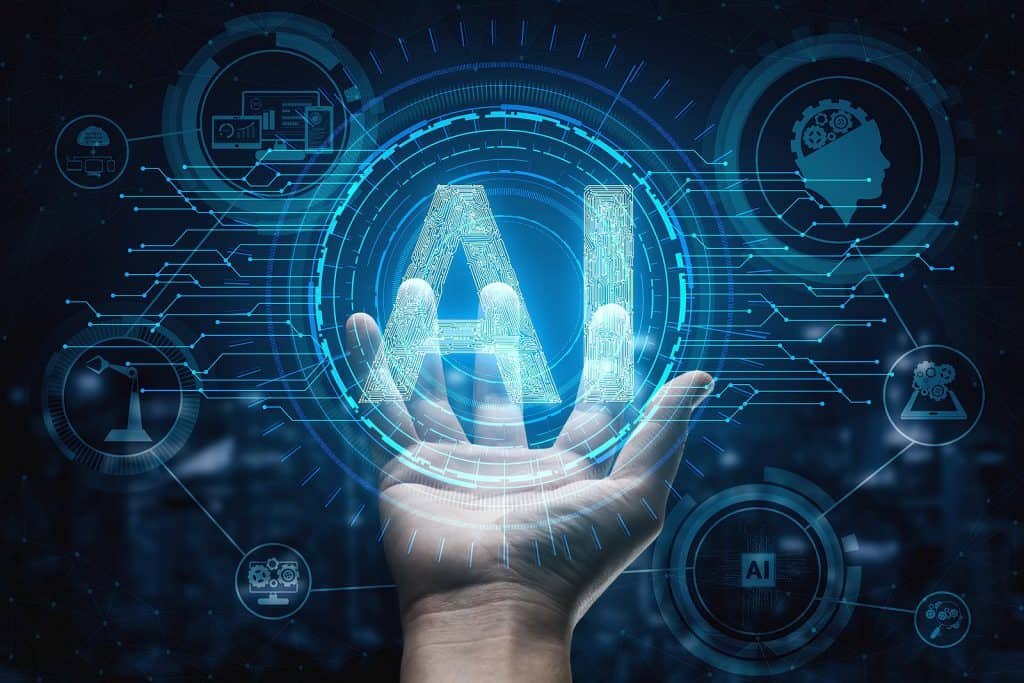
AI is no longer just a futuristic idea seen in science fiction movies. It has become a powerful part of modern life, helping people work faster, make better decisions, solve problems, and create new opportunities across almost every industry.
Introduction
Artificial intelligence, commonly known as AI, is one of the most important technologies of the modern world. It is changing how people live, communicate, work, study, shop, travel, and even think about the future. In simple words, AI refers to computer systems that can perform tasks that usually require human intelligence. These tasks may include learning, problem-solving, understanding language, recognizing images, making predictions, and responding to questions. What makes AI powerful is its ability to process large amounts of data, identify patterns, and improve its performance over time. Today, AI is not limited to large technology companies or research laboratories. It is present in smartphones, online shopping platforms, search engines, banking systems, healthcare services, social media apps, customer support tools, security systems, and many other areas of daily life. Whether people realize it or not, they interact with AI almost every day.
The rise of artificial intelligence has created both excitement and concern. On one side, AI offers many benefits, such as saving time, increasing productivity, improving accuracy, supporting innovation, and helping humans make better decisions. On the other side, it also raises serious questions about privacy, job security, fairness, ethics, misinformation, and the responsible use of technology. Because of this, understanding AI has become important for students, professionals, business owners, teachers, policymakers, and ordinary users. AI is not just a technical subject; it is also a social, economic, and ethical issue. The future of AI will depend not only on how advanced the technology becomes, but also on how wisely humans use it.
What Is AI?
AI means the ability of machines or computer programs to perform tasks that normally require human thinking. Traditional computer programs follow fixed instructions, but AI systems can analyze information, learn from examples, and make decisions based on data. For example, when a streaming platform recommends a movie, when a phone unlocks through face recognition, when a chatbot answers a customer’s question, or when a navigation app suggests the fastest route, AI is working in the background. These systems do not think exactly like human beings, but they can imitate certain parts of human intelligence by using data, algorithms, and advanced computing power.
There are different types of AI. Narrow AI is designed to perform specific tasks, such as translating languages, detecting fraud, recognizing speech, or suggesting products. This is the type of AI used most commonly today. It can be very powerful within its specific area, but it cannot fully understand the world like a human being. General AI, on the other hand, refers to a future form of intelligence that could think, reason, and learn across many different tasks like a human. At present, general AI remains more of a theoretical goal than a reality. Most AI tools available today are examples of narrow AI, even when they appear highly advanced.
How AI Works
AI works by using data, algorithms, and machine learning techniques. Data is the information that AI systems learn from. This information can include text, images, numbers, audio, videos, user behavior, medical records, financial transactions, or any other form of digital content. Algorithms are sets of rules or mathematical instructions that help AI systems process the data. Machine learning allows AI to improve through experience. Instead of being programmed for every possible situation, a machine learning system studies examples and learns patterns. For instance, an AI system trained to identify spam emails learns from thousands or millions of previous emails and then predicts whether a new email is likely to be spam.
Another important part of AI is deep learning, which uses artificial neural networks inspired by the structure of the human brain. Deep learning is especially useful for complex tasks such as image recognition, speech recognition, natural language processing, and autonomous driving. These systems can identify patterns that may be too complicated for traditional software. For example, deep learning can help medical systems detect diseases in scans, help voice assistants understand spoken commands, and help translation tools convert one language into another. However, AI still depends heavily on the quality of data it receives. If the data is incomplete, biased, or inaccurate, the AI system may also produce poor or unfair results.
The Role of AI in Daily Life
AI has quietly become part of everyday life. Many people use AI without even noticing it. Smartphones use AI for camera improvements, voice typing, face unlock, predictive text, and app recommendations. Search engines use AI to understand what users are looking for and to provide relevant results. Social media platforms use AI to recommend videos, posts, friends, pages, and advertisements. Online shopping websites use AI to suggest products based on browsing history, previous purchases, and customer interests. Even email platforms use AI to filter spam, organize inboxes, and suggest quick replies.
In homes, AI is also becoming more common through smart devices. Smart speakers, security cameras, thermostats, and home assistants can respond to voice commands, control appliances, monitor activity, and learn user preferences. In transportation, AI helps navigation apps predict traffic, estimate arrival times, and suggest better routes. In banking, AI helps detect suspicious transactions and protect customers from fraud. These examples show that AI is not only a future technology but also a present reality. It is already helping people complete daily tasks more easily and efficiently.
AI in Business and Industry
Businesses are using AI to improve efficiency, reduce costs, understand customers, and make stronger decisions. In marketing, AI can analyze customer behavior and help companies create personalized campaigns. It can predict what customers are likely to buy, when they may stop using a service, and what type of message may attract them. In customer service, AI-powered chatbots can answer common questions, solve basic problems, and provide support at any time of the day. This allows companies to serve customers faster while reducing the workload on human staff.
In manufacturing, AI is used for quality control, predictive maintenance, supply chain management, and automation. Machines equipped with AI can detect defects, monitor equipment health, and predict when a machine may fail. This helps companies avoid expensive breakdowns and improve production quality. In finance, AI supports fraud detection, risk assessment, investment analysis, and automated reporting. In human resources, AI can help screen resumes, manage employee data, and identify training needs. However, businesses must use AI carefully because poor implementation can lead to unfair decisions, privacy concerns, or overdependence on automated systems.
AI in Education
Education is one of the areas where AI can create meaningful improvements. AI-powered learning platforms can personalize lessons according to each student’s speed, strengths, and weaknesses. Instead of every student receiving the same learning material, AI can identify where a student is struggling and provide extra practice or explanation. This can be especially helpful in large classrooms where teachers may not have enough time to support every student individually. AI tools can also help teachers with grading, lesson planning, content creation, and administrative work, allowing them to focus more on teaching and student development.
However, AI in education should be used as a support tool, not as a replacement for teachers. Human teachers provide emotional understanding, motivation, discipline, creativity, and moral guidance that AI cannot fully replace. There are also concerns about students using AI to complete assignments without learning properly. For this reason, schools, colleges, and universities need clear rules about the responsible use of AI. When used correctly, AI can make education more accessible, flexible, and personalized. When misused, it can weaken academic honesty and reduce critical thinking.
AI in Healthcare
AI has great potential in healthcare because it can help doctors, hospitals, and researchers analyze medical information more quickly and accurately. AI systems can study medical images, detect early signs of disease, predict patient risks, and support diagnosis. For example, AI can help identify abnormalities in X-rays, MRIs, and CT scans. It can also assist in analyzing patient records to find patterns that may indicate future health problems. In drug development, AI can speed up research by identifying possible compounds and predicting how they may behave.
AI can also improve patient care through virtual health assistants, appointment systems, remote monitoring, and personalized treatment plans. Wearable devices can collect health data such as heart rate, sleep patterns, and activity levels, while AI can analyze this data and alert users or doctors about potential issues. Still, healthcare AI must be handled with extreme care because mistakes can affect human lives. Medical AI should not replace doctors but should support them with better information. Privacy is also very important because medical data is highly sensitive. Strong ethical standards, expert supervision, and data protection are necessary for safe AI use in healthcare.
AI and the Future of Work
One of the biggest debates about AI is its impact on jobs. Some people fear that AI will replace human workers, while others believe it will create new opportunities. The reality is more balanced. AI will likely automate some repetitive and routine tasks, especially tasks involving data entry, basic customer service, simple reporting, and predictable processes. This may reduce demand for certain jobs. At the same time, AI will also create new roles in technology, data analysis, AI management, cybersecurity, digital marketing, automation, and ethical governance.
The future of work will depend on how people adapt. Workers who develop new skills will be better prepared for an AI-driven economy. Skills such as critical thinking, creativity, communication, problem-solving, emotional intelligence, leadership, and digital literacy will become more valuable. AI may handle many technical or repetitive tasks, but humans will still be needed for judgment, empathy, strategy, innovation, and ethical decision-making. Instead of seeing AI only as a threat, individuals and organizations should see it as a tool that can increase human capability when used responsibly.
Benefits of AI
The benefits of AI are wide-ranging. One of the most important benefits is efficiency. AI can process information much faster than humans and can work continuously without fatigue. This is useful in industries where speed and accuracy are important. AI can also reduce human error in certain tasks, especially when dealing with large amounts of data. Another benefit is personalization. AI can provide customized recommendations, learning experiences, healthcare suggestions, and customer services based on individual needs.
AI also supports innovation. It helps researchers discover new patterns, businesses develop new products, and governments improve public services. AI can be used to address social challenges such as climate change, traffic management, disaster response, disease detection, and food production. In many situations, AI allows humans to make better decisions by providing deeper insights and predictions. When used carefully, AI can improve quality of life, increase productivity, and open new possibilities that were difficult to imagine in the past.
Challenges and Risks of AI
Despite its benefits, AI also brings serious challenges. One major concern is privacy. AI systems often need large amounts of data, and this data may include personal information. If data is collected or used without proper permission, it can violate people’s privacy. Another issue is bias. AI systems learn from data, and if the data contains unfair patterns, the AI may repeat or even increase those unfair results. For example, biased AI in hiring, lending, or policing can harm certain groups of people.
Another challenge is misinformation. AI can generate realistic text, images, audio, and videos, which can be used to spread false information. This makes it harder for people to know what is real and what is fake. Job displacement is another concern, especially for workers in roles that can be automated. There is also the risk of overreliance on AI, where people may stop using their own judgment and accept AI outputs without question. Because of these risks, AI development must include transparency, accountability, fairness, and human oversight.
Responsible Use of AI
Responsible AI means using artificial intelligence in a way that is safe, fair, transparent, and beneficial for society. Developers, businesses, governments, and users all have a role to play. AI systems should be designed with clear rules, strong data protection, and regular testing. People affected by AI decisions should have the right to understand how those decisions are made, especially in important areas like healthcare, education, employment, finance, and law. AI should not be used secretly or unfairly.
Users also need to be responsible. They should check AI-generated information before trusting or sharing it. They should not use AI for cheating, fraud, harmful content, or spreading false information. Businesses should train employees on how to use AI properly and should avoid replacing human judgment completely. Responsible AI is not only about technology; it is about values. The goal should be to use AI to support human progress, not to weaken human dignity, fairness, or freedom.
AI and Creativity
AI is also changing the world of creativity. It can help writers brainstorm ideas, help designers create visuals, help musicians experiment with sounds, and help video creators plan content. Many creative professionals use AI as a tool to save time, explore new concepts, and improve their work. AI can generate drafts, suggest improvements, create images, edit videos, and organize creative projects. This does not mean that human creativity is no longer important. In fact, human direction is still necessary to give meaning, emotion, originality, and purpose to creative work.
Creativity is not only about producing content; it is also about understanding culture, emotion, experience, and human connection. AI can imitate patterns, but it does not have personal memories, feelings, or lived experience. Therefore, the best creative results often come when humans and AI work together. AI can assist with speed and variation, while humans provide taste, judgment, storytelling, and emotional depth. The future of creativity will likely involve collaboration between human imagination and intelligent tools.
The Future of AI
The future of AI will likely be more advanced, more connected, and more influential. AI systems may become better at understanding language, solving complex problems, supporting scientific research, and assisting with decision-making. More industries will adopt AI, and more people will use AI tools in their personal and professional lives. Education, healthcare, transportation, entertainment, agriculture, finance, and public services may all become more AI-driven.
However, the future of AI should not be shaped by technology alone. It must also be shaped by ethics, laws, education, and public awareness. Societies need to decide how AI should be used, what limits should exist, and how people can be protected from harm. Governments may need to create better regulations, companies may need to follow responsible standards, and individuals may need to improve their digital skills. AI has the power to improve the world, but only if humans guide it with wisdom and responsibility.
Conclusion
AI is one of the most powerful technologies of our time. It is transforming daily life, business, education, healthcare, creativity, and the future of work. Its ability to process data, recognize patterns, automate tasks, and support decision-making makes it highly valuable in many areas. At the same time, AI also brings challenges related to privacy, bias, job disruption, misinformation, and ethics. Therefore, the goal should not be to fear AI or blindly trust it, but to understand it and use it responsibly. AI should be seen as a tool that can support human intelligence, not replace human values. If developed and used carefully, AI can help build a smarter, safer, and more innovative future for everyone.
FAQs About AI
1. What does AI mean?
AI stands for artificial intelligence. It refers to computer systems or machines that can perform tasks that normally require human intelligence, such as learning, problem-solving, understanding language, recognizing images, and making decisions based on data.
2. Is AI already used in daily life?
Yes, AI is already used in many everyday activities. It works in smartphones, search engines, social media platforms, online shopping websites, navigation apps, banking systems, voice assistants, and customer service chatbots.
3. Will AI replace human jobs?
AI may replace some repetitive and routine tasks, but it will also create new job opportunities. The future of work will require people to learn new skills, especially in areas such as digital literacy, creativity, problem-solving, communication, and critical thinking.
4. What are the main benefits of AI?
The main benefits of AI include faster work, improved accuracy, better decision-making, personalized services, reduced costs, innovation, and support in important fields such as healthcare, education, finance, and business.
5. What are the risks of AI?
The main risks of AI include privacy concerns, biased decisions, misinformation, job displacement, misuse of technology, and overdependence on automated systems. These risks can be reduced through responsible use, strong rules, transparency, and human oversight.
You May Also Read
for more visit wirebusiness.co.uk
