

Introduction
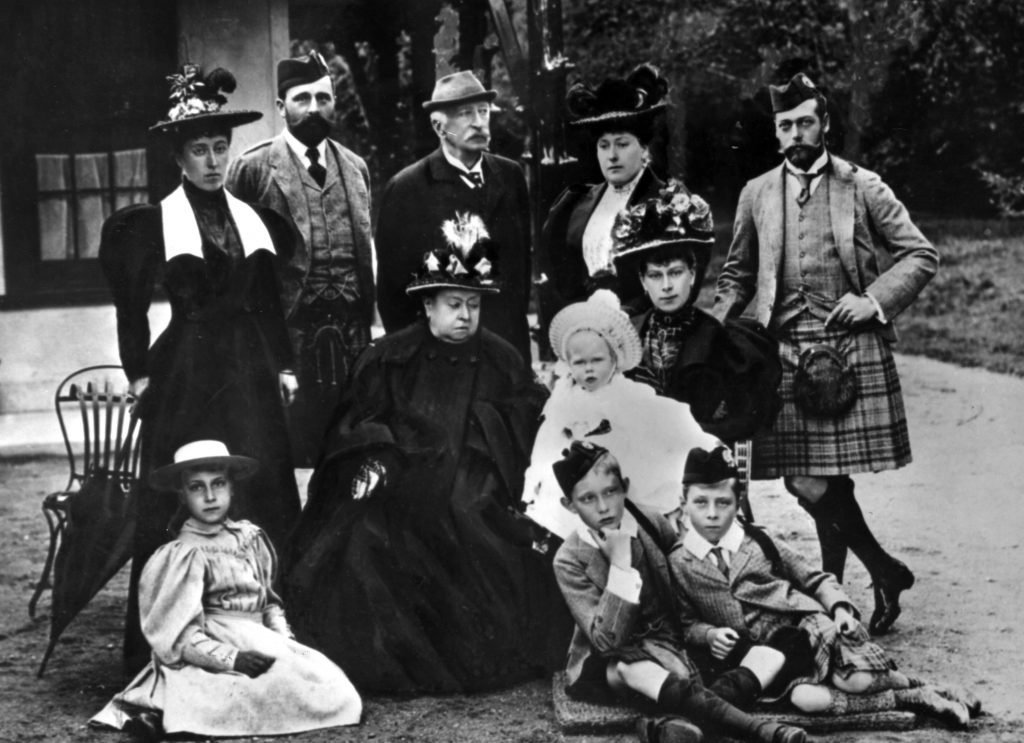
When people think about Queen Victoria, they often remember her long reign over Britain and her powerful influence on the modern monarchy. However, one of the most important parts of her life was her large family. The story of queen victoria children is not only interesting but also important in understanding European royal history.
Queen Victoria and her husband, Prince Albert, had nine children. These children married into royal families across Europe, helping create strong family ties between different nations. Because of this, Queen Victoria became known as the “Grandmother of Europe.”
In this article, we will explore the lives of Queen Victoria’s children, their achievements, challenges, marriages, and the lasting impact they had on history.
Who Was Queen Victoria?
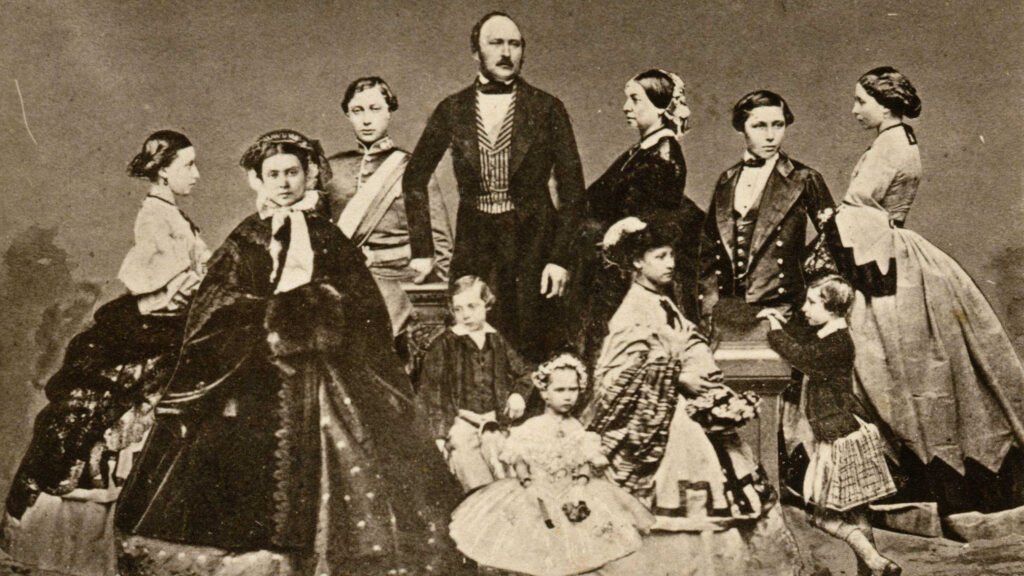
Before learning about the queen victoria children, it is helpful to understand who Queen Victoria was.
Queen Victoria was born on May 24, 1819, and became Queen of the United Kingdom in 1837 at the age of 18. She ruled for more than 63 years, making her one of the longest-reigning monarchs in British history.
In 1840, she married Prince Albert of Saxe-Coburg and Gotha. Their marriage was known for love, respect, and strong family values. Together, they raised nine children and worked hard to provide them with a good education and sense of duty.
How Many Children Did Queen Victoria Have?
The answer is simple: Queen Victoria had nine children.
The queen victoria children were:
- Victoria, Princess Royal
- Albert Edward (later King Edward VII)
- Princess Alice
- Prince Alfred
- Princess Helena
- Princess Louise
- Prince Arthur
- Prince Leopold
- Princess Beatrice
Each child followed a unique path in life and played a role in shaping European royal history.
Queen Victoria’s First Child: Victoria, Princess Royal
Early Life
Victoria Adelaide Mary Louisa was born on November 21, 1840. She was the first of the queen victoria children and was often called “Vicky” by her family.
Marriage and Family
In 1858, she married Prince Frederick William of Prussia. Their marriage connected the British royal family with the Prussian royal house.
Legacy
Victoria later became German Empress and Queen of Prussia. She was intelligent, educated, and deeply interested in politics. She worked to promote liberal ideas and reforms.
Albert Edward: The Future King Edward VII
A Different Personality
Born on November 9, 1841, Albert Edward was the second child and eldest son among the queen victoria children.
Unlike his parents, he preferred social activities over studying. This often caused tension between him and Prince Albert.
Becoming King
After Queen Victoria’s death in 1901, Albert Edward became King Edward VII.
His Impact
His reign helped modernize the monarchy and improve Britain’s relationships with other European nations.
Princess Alice: The Caring Daughter
A Kind and Compassionate Princess
Princess Alice was born on April 25, 1843.
She became known for her kindness and dedication to helping others.
Marriage
Alice married Louis IV, Grand Duke of Hesse.
Humanitarian Work
She spent much of her life caring for the sick and supporting charitable causes. During times of illness in her family, she personally nursed her children and relatives.
Sadly, she died in 1878 after contracting diphtheria.
Prince Alfred: The Naval Prince
Life at Sea
Prince Alfred was born on August 6, 1844.
Among the queen victoria children, he was particularly interested in a military career.
Naval Service
He joined the Royal Navy and served with distinction.
Duke of Edinburgh
Alfred later became the Duke of Edinburgh and eventually inherited the Duchy of Saxe-Coburg and Gotha in Germany.
His international role strengthened ties between Britain and Germany.
Princess Helena: The Dedicated Helper
A Life of Service
Princess Helena was born on May 25, 1846.
She devoted much of her life to charitable work and public service.
Marriage
Helena married Prince Christian of Schleswig-Holstein.
Contributions
She worked closely with nursing organizations and supported healthcare improvements.
Her commitment to helping others earned widespread respect.
Princess Louise: The Artistic Princess
Creative and Independent
Born on March 18, 1848, Princess Louise stood out among the queen victoria children because of her artistic talents.
Love for Art
She became a skilled sculptor and artist.
Marriage
Louise married John Campbell, Marquess of Lorne, who later became Governor General of Canada.
Breaking Traditions
Her marriage was unusual because she married a British noble rather than a foreign prince, showing a more modern approach to royal life.
Prince Arthur: The Soldier Prince
Military Career
Prince Arthur was born on May 1, 1850.
He dedicated much of his life to military service.
Leadership Roles
Arthur held several important positions in the British Army and became one of the most respected military members among the queen victoria children.
Governor General of Canada
He later served as Governor General of Canada and remained popular throughout his public career.
Prince Leopold: A Brave Royal
Health Challenges
Prince Leopold was born on April 7, 1853.
He suffered from hemophilia, a serious blood-clotting disorder that affected several European royal families.
Education and Intelligence
Despite health challenges, Leopold was highly intelligent and received an excellent education.
Marriage
He married Princess Helena of Waldeck and Pyrmont.
Tragic Death
Leopold died in 1884 at the age of 30 after suffering injuries from a fall.
His early death deeply saddened Queen Victoria.
Princess Beatrice: Queen Victoria’s Closest Companion
The Youngest Child
Princess Beatrice was born on April 14, 1857.
She was the youngest of the queen victoria children.
Close Relationship with Her Mother
After Prince Albert’s death, Beatrice became Queen Victoria’s closest companion.
Marriage
She married Prince Henry of Battenberg in 1885.
Lifelong Support
Even after marriage, she continued assisting Queen Victoria and managing many of her personal affairs.
The Strong Bond Between Queen Victoria and Her Children
Queen Victoria deeply loved her children, but she could also be strict.
She believed in discipline, education, and duty. Prince Albert played a major role in their upbringing, ensuring that all the children received quality education.
The royal couple wanted their children to become responsible adults who could contribute positively to society.
Although there were disagreements at times, family remained extremely important to Queen Victoria throughout her life.
Why Queen Victoria Was Called the “Grandmother of Europe”
One reason the queen victoria children are so famous is because they married into many European royal families.
Through these marriages, Queen Victoria became related to rulers and royal families across Europe, including:
- Germany
- Russia
- Greece
- Romania
- Norway
- Spain
By the early 20th century, many European kings and queens were descendants of Queen Victoria.
This earned her the nickname “Grandmother of Europe.”
The Spread of Hemophilia Through Royal Families
One of the lesser-known aspects of the queen victoria children involves the spread of hemophilia.
Queen Victoria carried a genetic mutation that caused the disorder. Some of her children inherited the gene and passed it on to future generations.
As a result, hemophilia appeared in several European royal families, including the Russian royal family.
This medical condition later became an important topic in royal history.
The Lasting Legacy of Queen Victoria’s Children
The influence of the queen victoria children continues even today.
Their descendants can be found in many royal families around the world. Through marriage, diplomacy, and public service, they helped shape European history for generations.
Their lives reflected the values Queen Victoria and Prince Albert tried to teach:
- Duty
- Responsibility
- Education
- Public service
- Family loyalty
The impact of these values can still be seen in modern monarchies.
Interesting Facts About Queen Victoria Children
They Were Raised With Strict Rules
Queen Victoria and Prince Albert believed in discipline and proper behavior.
They Spoke Multiple Languages
Several of the children learned foreign languages and communicated easily across Europe.
Many Held Important Positions
Some became kings, queens, military leaders, governors, and public servants.
Their Descendants Rule Today
Many current royal families trace their ancestry back to the queen victoria children.
Family Gatherings Were Truly International
Because of the children’s marriages, royal family events often included relatives from many countries.
FAQs About Queen Victoria Children
1. How many children did Queen Victoria have?
Queen Victoria had nine children with Prince Albert.
2. Who was Queen Victoria’s eldest child?
Her eldest child was Victoria, Princess Royal, born in 1840.
3. Which of Queen Victoria’s children became king?
Albert Edward became King Edward VII after Queen Victoria’s death.
4. Why is Queen Victoria called the Grandmother of Europe?
She earned this nickname because her children and grandchildren married into many European royal families.
5. Did Queen Victoria’s children have descendants in modern royal families?
Yes. Many modern royal families can trace their ancestry back to the queen victoria children.
Conclusion
The story of queen victoria children is one of family, duty, and historical influence. Queen Victoria and Prince Albert raised nine children who went on to play important roles throughout Europe. Some became rulers, others served in the military, and many dedicated their lives to public service and charity.
Their marriages connected royal houses across the continent, helping Queen Victoria become known as the “Grandmother of Europe.” Even today, the legacy of the queen victoria children remains visible in modern royal families and historical discussions.
Understanding their lives provides a fascinating look into the people who helped shape European history and carried Queen Victoria’s influence far beyond Britain. Their achievements, challenges, and family connections continue to make them one of the most interesting royal families in history.
You May Also Read
for more visits wirebusiness.co.uk

3 Comments
Pingback: Alex Chino: The Inspiring Journey, Career, Biography, and Success Story - Wire Business
Pingback: Emily Abraham: Biography, Career, Personal Life, and Success Story - Wire Business
Pingback: Bhavna Vaswani: A Closer Look at Her Life, Career, and Public Recognitionv - Wire Business